

Introduction:
It’s easy to forget about what we eat in today’s fast-paced world about healthy food. With the convenience of processed and fast foods, many people sacrifice nutrition for speed. But eating well is the first step toward health. Consuming foods that are well-balanced and healthy is the cornerstone of a body that is healthy, energetic, and disease-free. Let’s investigate the significance of nutritious food and how it contributes to our overall health.
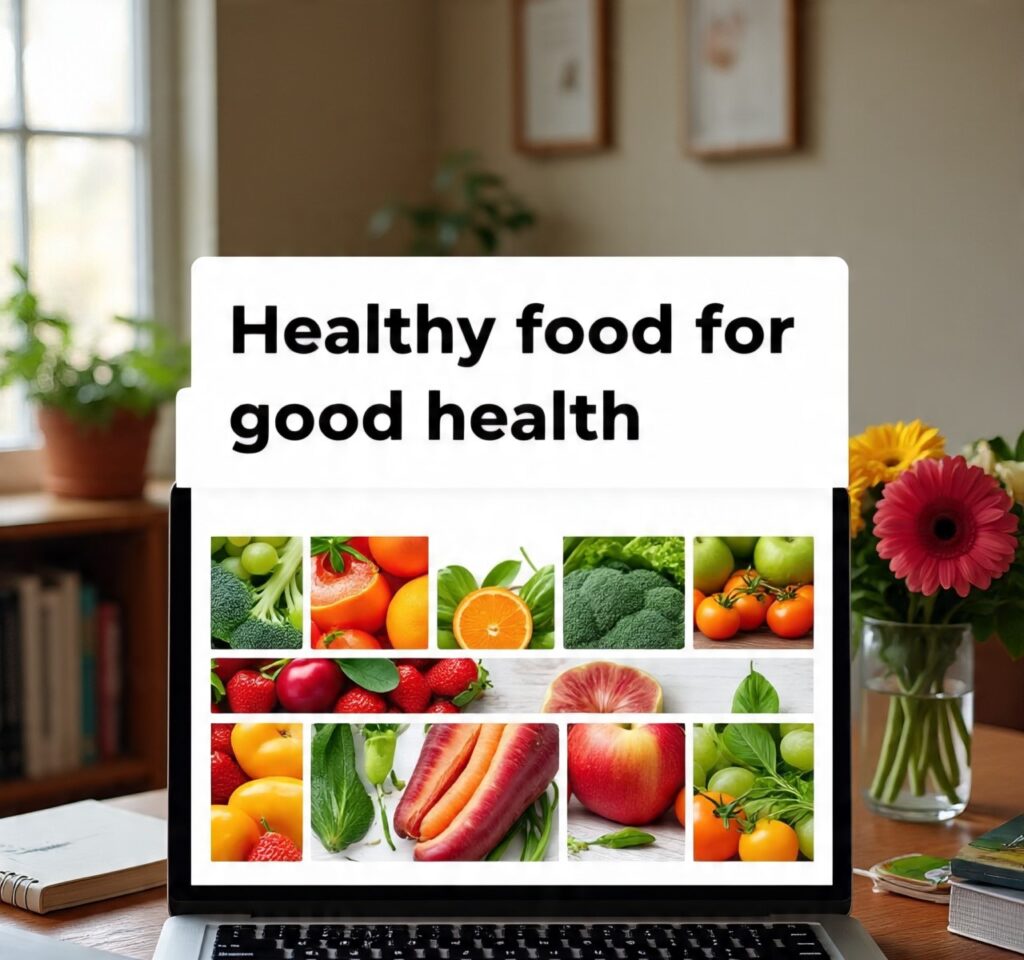
Eating healthy food helps your body stay strong and happy.
It gives you energy to play, learn, and grow.
Benefits of Healthy food:
Healthy food gives your body what it needs.
It helps you stay well, think clearly, and feel good every day.
Junk food can make you tired and sick.
Best Healthy Foods to Eat
🥦 Fruits and Vegetables to have for healthy food

Fruits and vegetables are packed with essential nutrients that offer numerous health benefits. Here’s how they positively impact your health:
- Rich in Nutrients: Fruits and vegetables are loaded with vitamins, minerals, and antioxidants. Vitamins like Vitamin C (found in citrus fruits) support immune function, while Vitamin A (found in carrots and sweet potatoes) promotes healthy vision.
- Boost Immune System: Many fruits and vegetables, such as citrus fruits, bell peppers, and spinach, are rich in vitamin C, which helps strengthen the immune system, making your body more resilient to infections.
- Improve Digestion: The high fiber content in fruits and vegetables aids in healthy digestion. Fiber helps regulate bowel movements, prevent constipation, and promote gut health. Examples include apples, pears, and leafy greens.
- Support Heart Health: Fruits like berries, citrus fruits, and vegetables like tomatoes and spinach contain heart-healthy antioxidants and compounds like potassium, which help lower blood pressure and reduce the risk of heart disease.
- Help with Weight Management: Many fruits and vegetables are low in calories but high in fiber, which helps you feel full longer and reduces overeating. They are a great addition to a weight-loss plan and have healthy food.
- Hydration: Fruits and vegetables like cucumbers, watermelon, and oranges have high water content, which helps keep your body hydrated, promoting healthy skin and supporting overall bodily functions.
- Promote Healthy Skin: Antioxidants like beta-carotene and Vitamin C found in fruits like oranges and vegetables like spinach help protect skin cells from damage caused by the sun and aging, promoting healthy, glowing skin.
- Reduce the Risk of Chronic Diseases: A diet rich in fruits and vegetables is linked to a lower risk of chronic diseases like diabetes, high blood pressure, and cancer. The antioxidants and phytochemicals they contain protect cells from damage.
- Improve Mental Health: Studies suggest that a diet high in fruits and vegetables may improve mood and cognitive function. Nutrients like folate (found in leafy greens) have been linked to reduced symptoms of depression.
- Boost Bone Health: Some vegetables, such as broccoli and kale, are rich in calcium and Vitamin K, both of which are important for maintaining strong, healthy bones.
Incorporating a wide variety of fruits and vegetables into your daily diet can significantly improve overall health and well-being. Aim to eat a colorful mix to ensure you get a range of nutrients and maximize their health benefits.
🍞 Whole Grains
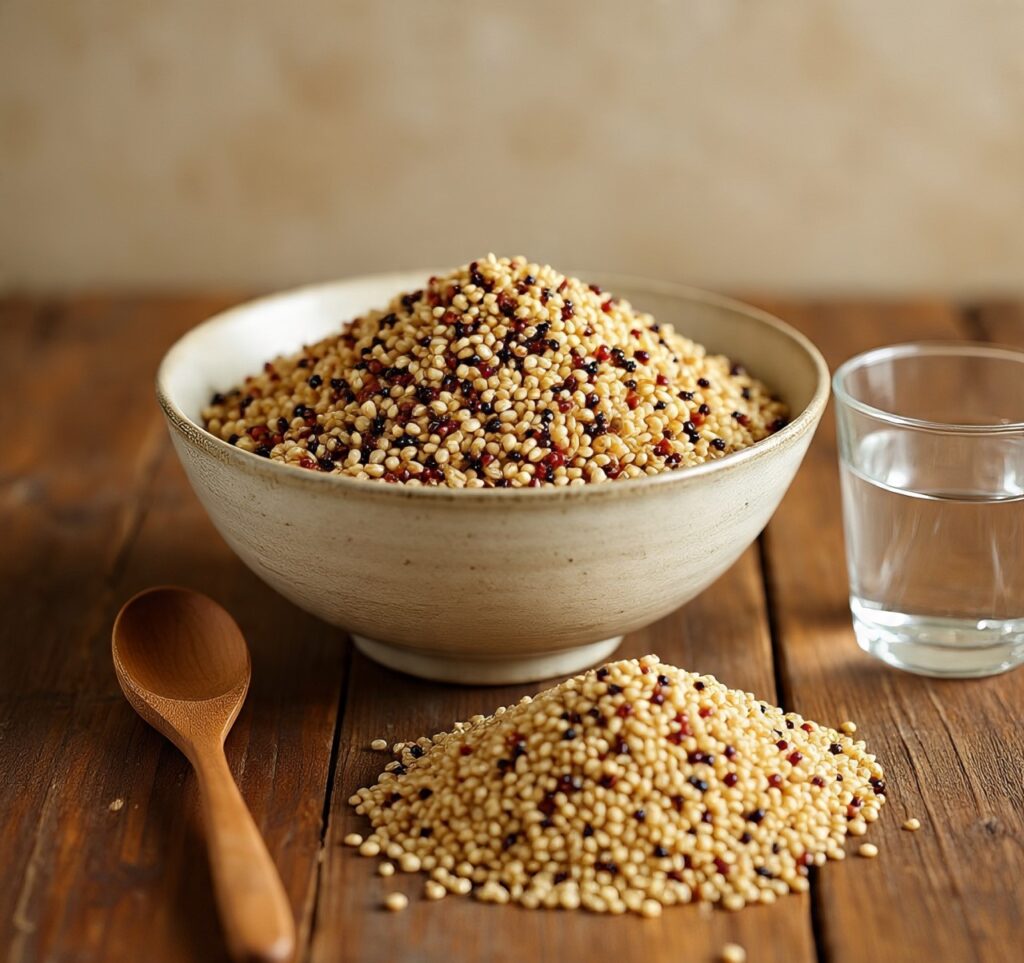
Whole grains are an essential part of a healthy diet, packed with nutrients that offer numerous health benefits. Here’s how consuming whole grains positively impacts your health:
- Rich in Nutrients: Whole grains, such as oats, quinoa, brown rice, and barley, are packed with essential vitamins and minerals, including B vitamins, iron, magnesium, and zinc. These nutrients play key roles in maintaining healhty food and in energy production, immune function, and overall well-being.
- High in Fiber: One of the biggest benefits of whole grains is their high fiber content. Fiber aids in digestion, promotes regular bowel movements, and helps prevent constipation. It also supports gut health by feeding beneficial bacteria in the intestines.
- Supports Heart Health: Whole grains like oats, barley, and brown rice have been shown to lower the risk of heart disease. The fiber, antioxidants, and healthy fats found in whole grains help lower cholesterol levels, regulate blood pressure, and improve overall cardiovascular health.
- Helps with Weight Management: The fiber in whole grains helps you feel fuller for longer, which can reduce overall calorie intake and prevent overeating. They also stabilize blood sugar levels, which helps control hunger and cravings, making whole grains a great choice for weight management.
- Regulates Blood Sugar: Whole grains have a low glycemic index, meaning they release sugar into the bloodstream more slowly compared to refined grains. This helps regulate blood sugar levels, reducing the risk of developing type 2 diabetes.
- Promotes Digestive Health: The fiber in whole grains, particularly insoluble fiber, adds bulk to stools and helps move food through the digestive tract more efficiently. This reduces the risk of digestive disorders such as diverticulosis and hemorrhoids.
- Rich in Antioxidants: Whole grains are rich in antioxidants, which help protect the body’s cells from damage caused by free radicals and to have good healthy food. Antioxidants support immune function and help prevent chronic diseases such as cancer and neurodegenerative conditions.
- Boosts Energy Levels: Whole grains provide a steady source of energy due to their complex carbohydrate content. Unlike refined grains that cause a spike in blood sugar, whole grains release energy more gradually, helping to maintain steady energy levels throughout the day.
- Improves Skin Health: The vitamins, minerals, and antioxidants in whole grains contribute to healthier skin. For example, magnesium and vitamin E found in whole grains can help reduce inflammation, protect against skin damage, and support skin hydration.
- Supports Healthy Brain Function: The B vitamins and other nutrients in whole grains play a critical role in maintaining cognitive function. Consuming whole grains regularly can improve memory, focus, and reduce the risk of cognitive decline in older adults.
Incorporating whole grains into your daily meals can have a profound impact on your health. They are easy to include in your diet and can be enjoyed in various forms, from breakfast cereals to bread, pasta, and salads. Try to replace refined grains with whole grains to reap their full benefits.
🍗 Lean Proteins

Lean proteins are a crucial part of a balanced diet, providing essential nutrients while being lower in unhealthy fats compared to fatty cuts of meat. Here’s how lean proteins benefit your health:
- Supports Muscle Growth and Repair: Lean proteins, such as chicken breast, turkey, fish, and plant-based options like tofu and lentils, provide the amino acids necessary for muscle repair and growth. This is particularly important for athletes or those engaged in regular physical activity.
- Promotes Weight Management: Lean proteins help control appetite and increase feelings of fullness, reducing the likelihood of overeating. They also boost metabolism by increasing the thermic effect of food (TEF), which helps burn more calories during digestion.
- Boosts Heart Health: Choosing lean protein sources over fatty meats can lower your intake of saturated fats, which are linked to heart disease. Lean proteins such as fish (especially fatty fish like salmon) are also rich in omega-3 fatty acids, which have been shown to reduce the risk of cardiovascular diseases.
- Supports Healthy Metabolism: Protein plays a vital role in maintaining a healthy metabolism. It helps regulate the body’s blood sugar levels and promotes the production of hormones that control hunger, energy balance, and metabolism.
- Aids in Weight Loss: Lean proteins are essential in weight loss plans as they help preserve lean muscle mass while promoting fat loss. The satiety provided by proteins reduces the likelihood of snacking between meals and helps control cravings.
- Improves Bone Health: Lean proteins, particularly those rich in calcium like dairy products, contribute to maintaining strong bones. Protein also works synergistically with other nutrients like vitamin D and calcium to prevent bone loss and conditions like osteoporosis.
- Promotes Healthy Skin, Hair, and Nails: Proteins are essential for the production of collagen and keratin, which help maintain healthy skin, hair, and nails. The amino acids in lean proteins support tissue repair and regeneration.
- Helps Maintain Healthy Blood Pressure: Some lean protein sources, such as fish, are rich in omega-3 fatty acids, which help lower blood pressure. A balanced diet with lean protein can contribute to overall better cardiovascular health.
- Reduces Risk of Chronic Diseases: Diets high in lean proteins and low in saturated fats are linked to a reduced risk of chronic conditions like diabetes, heart disease, and certain types of cancer. Lean proteins help maintain healthy cholesterol levels and reduce inflammation in the body.
- Boosts Immune Function: Lean proteins provide essential nutrients like zinc, iron, and vitamin B12, which are important for immune system function. A strong immune system helps protect the body from infections and diseases.
Incorporating a variety of lean protein sources into your diet—such as poultry, fish, beans, eggs, and plant-based proteins—can help you achieve a healthier, more balanced lifestyle. These proteins are not only beneficial for your muscles but also for maintaining long-term overall health.
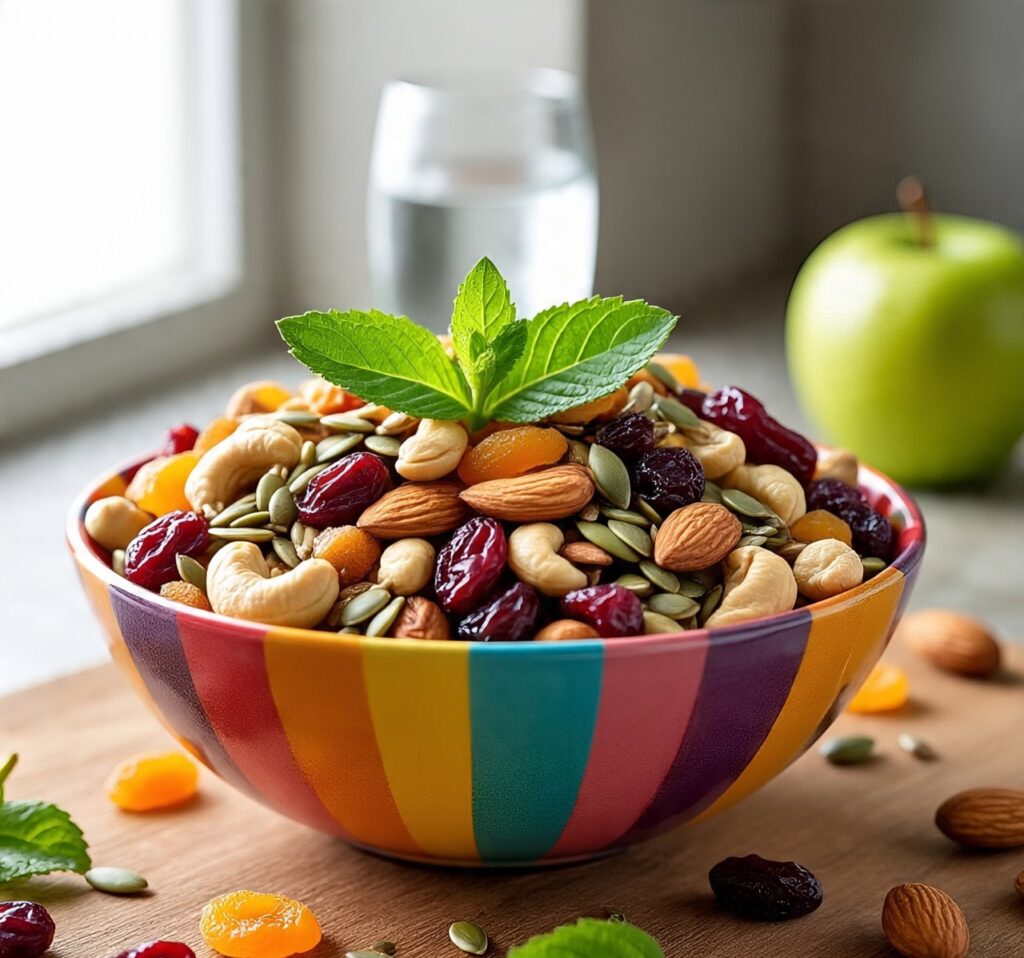
🥑 Healthy Fats
Lean proteins are a crucial part of a balanced diet, providing essential nutrients while being lower in unhealthy fats compared to fatty cuts of meat. Here’s how lean proteins benefit your health:
- Supports Muscle Growth and Repair: Lean proteins, such as chicken breast, turkey, fish, and plant-based options like tofu and lentils, provide the amino acids necessary for muscle repair and growth. This is particularly important for athletes or those engaged in regular physical activity or those who want a healthy food.
- Promotes Weight Management: Lean proteins help control appetite and increase feelings of fullness, reducing the likelihood of overeating. They also boost metabolism by increasing the thermic effect of food (TEF), which helps burn more calories during digestion.
- Boosts Heart Health: Choosing lean protein sources over fatty meats can lower your intake of saturated fats, which are linked to heart disease. Lean proteins such as fish (especially fatty fish like salmon) are also rich in omega-3 fatty acids, which have been shown to reduce the risk of cardiovascular diseases.
- Supports Healthy Metabolism: Protein plays a vital role in maintaining a healthy metabolism. It helps regulate the body’s blood sugar levels and promotes the production of hormones that control hunger, energy balance, and metabolism.
- Aids in Weight Loss: Lean proteins are essential in weight loss plans as they help preserve lean muscle mass while promoting fat loss. The satiety provided by proteins reduces the likelihood of snacking between meals and helps control cravings.
- Improves Bone Health: Lean proteins, particularly those rich in calcium like dairy products, contribute to maintaining strong bones and be a part of healthy food. Protein also works synergistically with other nutrients like vitamin D and calcium to prevent bone loss and conditions like osteoporosis.
- Promotes Healthy Skin, Hair, and Nails: Proteins are essential for the production of collagen and keratin, which help maintain healthy skin, hair, and nails. The amino acids in lean proteins support tissue repair and regeneration.
- Helps Maintain Healthy Blood Pressure: Some lean protein sources, such as fish, are rich in omega-3 fatty acids, which help lower blood pressure. A balanced diet with lean protein can contribute to overall better cardiovascular health.
- Reduces Risk of Chronic Diseases: Diets high in lean proteins and low in saturated fats are linked to a reduced risk of chronic conditions like diabetes, heart disease, and certain types of cancer. Lean proteins help maintain healthy cholesterol levels and reduce inflammation in the body.
- Boosts Immune Function: Lean proteins provide essential nutrients like zinc, iron, and vitamin B12, which are important for immune system function. A strong immune system helps protect the body from infections and diseases.
Incorporating a variety of lean protein sources into your diet—such as poultry, fish, beans, eggs, and plant-based proteins—can help you achieve a healthier, more balanced lifestyle. These proteins are not only beneficial for your muscles but also for maintaining long-term overall health.
🥛 Milk and Dairy

Milk and dairy products are packed with essential nutrients that offer a wide range of health benefits and to have healthy food. Here’s how they contribute to your overall well-being:
- Rich in Calcium: Milk and dairy products are some of the best sources of calcium, which is vital for building and maintaining strong bones and teeth. Consuming enough calcium can help prevent bone-related diseases such as osteoporosis and improve bone density.
- Supports Muscle Growth and Repair: Dairy is an excellent source of high-quality protein, which is essential for muscle growth, repair, and recovery. This makes milk and dairy products great for athletes, bodybuilders, and those who engage in regular physical activity.
- Promotes Heart Health: Dairy products, particularly low-fat or fat-free options, contain nutrients like potassium, which helps manage blood pressure. Consuming dairy may help lower the risk of heart disease by supporting cardiovascular health and reducing hypertension.
- Provides Vitamin D: Many dairy products are fortified with vitamin D, which works alongside calcium to promote bone health and improve the immune system. Vitamin D also helps the body absorb calcium effectively, enhancing its benefits for bone strength.
- Improves Digestion: Dairy contains probiotics, especially in fermented dairy products like yogurt and kefir. These beneficial bacteria help improve gut health, aid digestion, and support the immune system. Probiotics also promote a healthy balance of gut microbiota, which can prevent digestive issues.
- Supports Healthy Skin: The vitamins and minerals in milk, such as vitamin A and zinc, promote healthy skin by supporting cell growth and repair. Some studies suggest that dairy products may help reduce the risk of acne and contribute to a radiant complexion.
- Boosts Immune Function: Dairy products like yogurt and kefir contain probiotics that help strengthen the immune system by increasing the production of certain antibodies and promoting the health of the digestive tract. Additionally, milk contains vital nutrients like zinc and selenium, which also support immunity.
- Enhances Hydration: Milk is made up of 87% water, making it an excellent drink for hydration. It helps replenish fluids after exercise and supports overall body functions.
- Aids in Weight Management: Low-fat dairy products are a great addition to a balanced diet. Protein and calcium in milk can increase feelings of fullness and help regulate appetite, potentially supporting weight management efforts when combined with a healthy diet and exercise.
- Supports Healthy Teeth: Dairy products like milk and cheese are good sources of calcium and phosphorus, which help protect teeth from decay and maintain tooth enamel. Consuming dairy after meals can also neutralize acids in the mouth, reducing the risk of cavities.
Incorporating milk and dairy into your diet provides a wide array of health benefits. India is a land of agriculture and also have some interesting places to visit. To enjoy these benefits, opt for low-fat or fat-free versions of dairy products, and choose a variety of milk-based foods, including yogurt, cheese, and milk itself.
Easy Tips to Eat Healthy Food
> Drink water, not soda.
> Add more fruits and veggies to your plate.
> Eat snacks like nuts or fruit.
> Help your family cook at home.
> Try new healthy foods—it can be fun!
> For medical and public health matters DGHS provides technical advice
Final Thoughts
Eating healthy makes you feel great!
It helps your body work its best.
Start with small changes, and keep going.
Your body will say, “Thank you!”
Eat well, feel well, and be your best every day!